
Perspective and Islam: We Are the Creators of Our Realities

Perception Exercise: Observing the illustration above, what do you see? A young woman perhaps? Maybe an older woman? Or possibly even both! This optical illusion helps explain the concept of perception and how our interpretations of the stimuli we take in from our environment influences how we see reality. Put another way, by interpreting and perceiving things in our lives, we essentially create our own realities.
No situation in our lives is neither good nor bad.
When we experience events that happen in our lives, we can interpret it as either negative or positive. We may not be able to dictate what happens to us, but we have the power and control to take on a negative or positive perspective of an event, which can help us create a different outcome.

We create our realities.
With every life experience, situation, or event in our lives, our minds interpret and categorize whether they are positive or negative based on a variety of influences. These influences could be our expectations, prior experiences, personal beliefs, or even societal norms. Thus, we create our realities by how we perceive and interpret the events, experiences, and situations in our lives.
For example, let’s say you walk into work one day – a job that already causes you a lot of stress – and your boss fires you due to funding cuts. You may perceive this event as negative at first due to an influence such as societal norms. It is the norm that losing your job is never a pleasant thing. Nonetheless, this experience might have given you the courage and motivation to apply for jobs you always wanted but didn’t try for. You may have otherwise been too worried you wouldn’t get it to apply. Similarly, the fear of the unknown may have kept you from leaving this job that brought short-term comfort.
Months later, you may look back at what happened, but now with a new perspective. You realize it wasn’t a misfortune that you got fired, but a redirection. If it weren’t for your boss firing you, you may have never stepped outside of your comfort zone. Instead, you might still be working at the same job that kept you away from reaching your potential. Therefore, this situation actually turned out to be positive. What we may interpret and perceive as bad may actually be good in reality – a blessing in disguise!
Reflect on an example from your own life, what is one event that happened in your life that you initially perceived as bad, but it actually turned out to be beneficial to you later on?
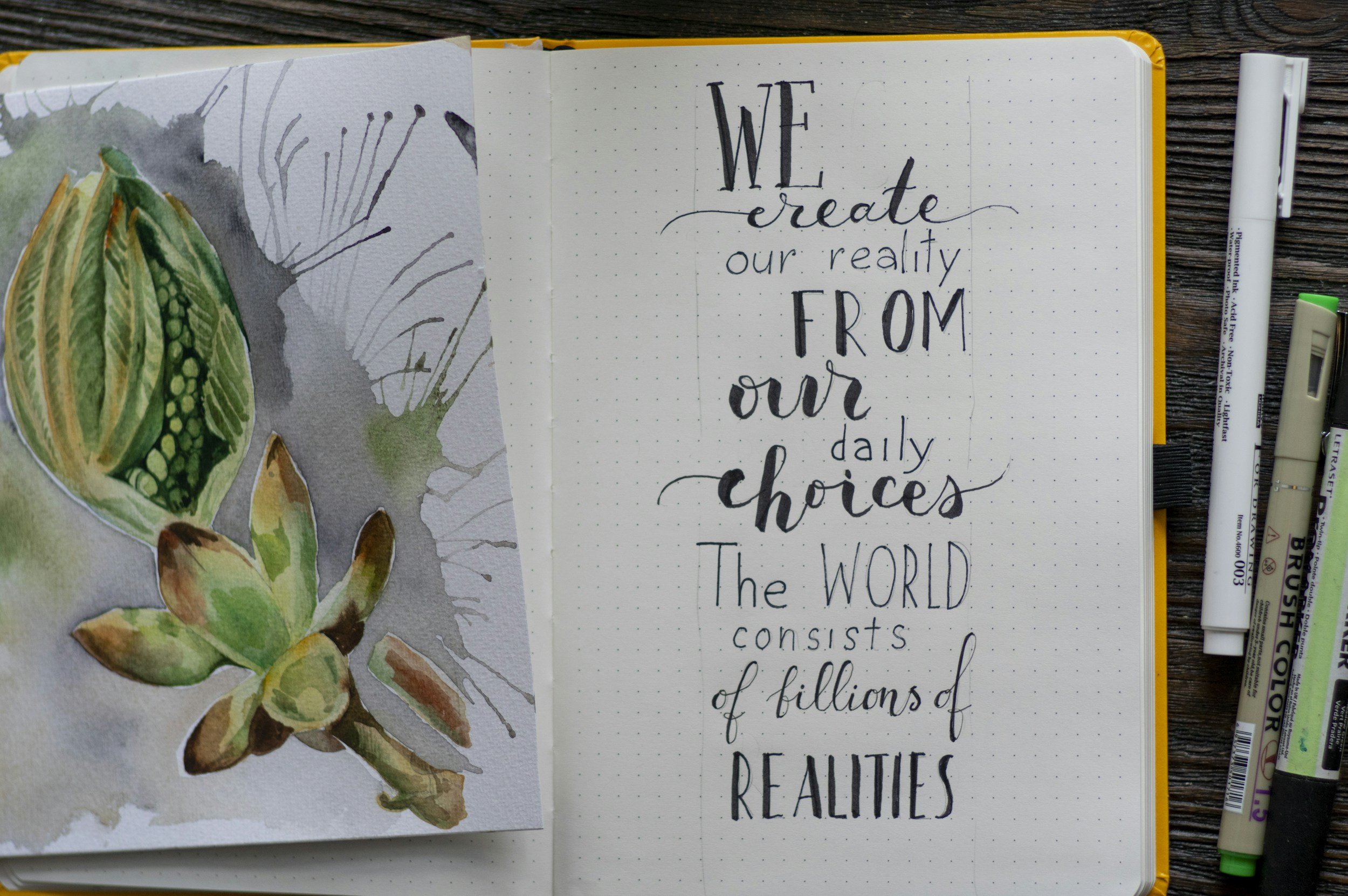
Reframing your perspective.
When experiencing any event that is considered bad within society, or bad based on our previous experiences, beliefs, or expectations — fired from a job, divorce, medical problem, etc.— we can learn to re-interpret these situations to be perceived as positive instead. This is what is known as Cognitive Reappraisal – a strategy used to regulate emotional responses by reframing the way we think about a situation.
You may be wondering how any of these situations could be positive. It is important to acknowledge that both negative and positive aspects can exist simultaneously. If you’re fired, you can recognize the things that are negative, such as no longer having an income and needing to pay the bills, AND you can re-interpret the situation to find meaning within it. In this example that is, having the courage to step into the unknown and apply for jobs you always wanted, but had doubts about.
You can also think about people who walk away from near death experiences feeling thankful for it because it gave them the push to pursue things they really wanted to do in life. This experience may have helped them realize to never take a day for granted, and so as they shifted their focus on that aspect, the event became meaningful and positive to them instead. They could have focused on the fact that a horrible event happened to them which could keep them stuck. Sometimes, what we may initially perceive as bad, may actually contain a meaningful purpose if we take the time to discover it.

Balance is Important.
This doesn't mean we completely ignore and deny the negative aspects of an event. Denial can actually lead to toxic positivity, which can actually be harmful to our mental health. Toxic positivity is when one has excessive positivity and carries an unrealistic expectation to always have a positive perspective in life. Toxic positivity can cause denial of negative life events and suppressing your emotions, invalidating your own experiences resulting in increased stress over time as you carry the weight of unexpressed emotions within you.
On the other hand, sometimes we may be so deeply engulfed in the negative aspects of an event that we have trouble seeing any positive facets. With the example of being fired, you may only focus on what you don’t have, keeping you in a scarcity mindset. A scarcity mindset is a pattern of thinking where you focus on what you don’t have and there is an underlying belief that you’re not ever going to have the things that you want. This can prevent you from seeing opportunities for growth, working towards more, and seeing positive aspects in a situation.
The constant fixation on negative details can turn into what is known as rumination. Rumination can lead to a cycle of negative thought patterns, which can then cause mental health conditions such as depression or anxiety.
The ultimate goal of perception is to find a clear balance between toxic positivity and rumination, or in other words, a balance between excessive positivity and excessive negativity.

Therapy can help you find balanced perspectives.
It’s common to struggle with seeing the good in the bad, especially when you are in the middle of difficulty. Therapy can help give us these different perspectives by helping you discover alternative thoughts that are more grounded. Sometimes it takes another set of eyes and ears in our lives to identify different viewpoints on a situation.
One specific approach therapy uses to do this is with Cognitive Behavioral Therapy (CBT). Similar to cognitive reappraisal, CBT can help us re-interpret adverse or negative events in our lives, giving us another perspective that highlights the positive aspects of the event along with helping us attach meaning to it.
CBT encourages us to accept and acknowledge negative aspects, while also looking through the lens of a different perspective that sheds light on what you can control to create outcomes that better serve you. Islamic-based therapy can also help view situations from different perspectives, as there are many stories and examples within the Quran that we can learn from.

CBT From the Perspective of Islamic-Based Therapy.
Reflect on the stories in surah Al-Kahf. The prophet Moses (may peace be upon him) traveled with Al-Khidr, a very wise man, to learn from him. They came upon a ship owned by a poor family and Moses (may peace be upon him) saw Al-Khidr make a hole in it. Moses (may peace be upon him) objected because he interpreted Al-Khidr’s actions as harmful and concerning.
However, later in the story, Al-Khidr revealed to Moses (may peace be upon him) that he made a hole in the ship because there was a tyrannical king that was forcibly seizing every ship that had no defects. Al-Khidr actually helped the family because the hole he made prevented their ship from being seized. They were able to keep their ship and fix the hole later on. It may seem obvious that certain situations are clearly negative or positive, but our perceptions are fallible!
This is just one example of how the Quran teaches us, “Perhaps you dislike something which is good for you and like something which is bad for you. Allah knows and you do not know.” (Quran, 2:216). These examples stress the importance of why we should consider different perspectives otherwise we may miss the true meaning or re-direction of these events. When we are able to have this mental flexibility to see many perspectives, we can find more meaning and positivity in life.

How to Find Meaning and Alternate Perspectives.
Sometimes the positive aspects of an event may be clearly visible, such as traffic giving you time to catch up with a friend on the phone. On the other hand, it may be months or years before we understand why something happened, or in most cases, we may never know.
You may be wondering how you can re-interpret situations when you don’t know why things happen. Therapy helps us prime our minds to look at things from a more neutral or positive perspective so we can have mental flexibility. Regardless, interpreting a situation as positive or negative doesn’t change what happened. Yet, it can change how you feel about the situation and the actions you choose to take as a result. This flexibility helps to improve our mental and physical health. Having a negative outlook doesn’t only impact our moods, it can also cause heart issues, a weakened immune system, headaches, sleep issues, and more.
Islamic-based therapy can also give us the reminder that as humans, we have limited knowledge. Only Allah, who is the All-Knowing, knows what each event has protected us from or how it helped us. As Muslims, this is why we say Alhamdulillah to every situation, as we never know how these experiences may actually have helped or protected us at the end of each day.
Key Takeaway
The overall lesson I would like each reader to take away from this, is that with every event, life experience, or situation in your life, strive to discover the positive aspects, meaning, and purpose, within them. Begin to question your initial perceptions and try to re-interpret them based on another perspective that is rooted in reality, allowing you to see the positive within events and how they may be beneficial. A divorce may help you focus on yourself and grow, a medical problem may have switched your focus on living a life that is more fulfilling, and being fired from your job may have helped you to finally step outside of your comfort zone!
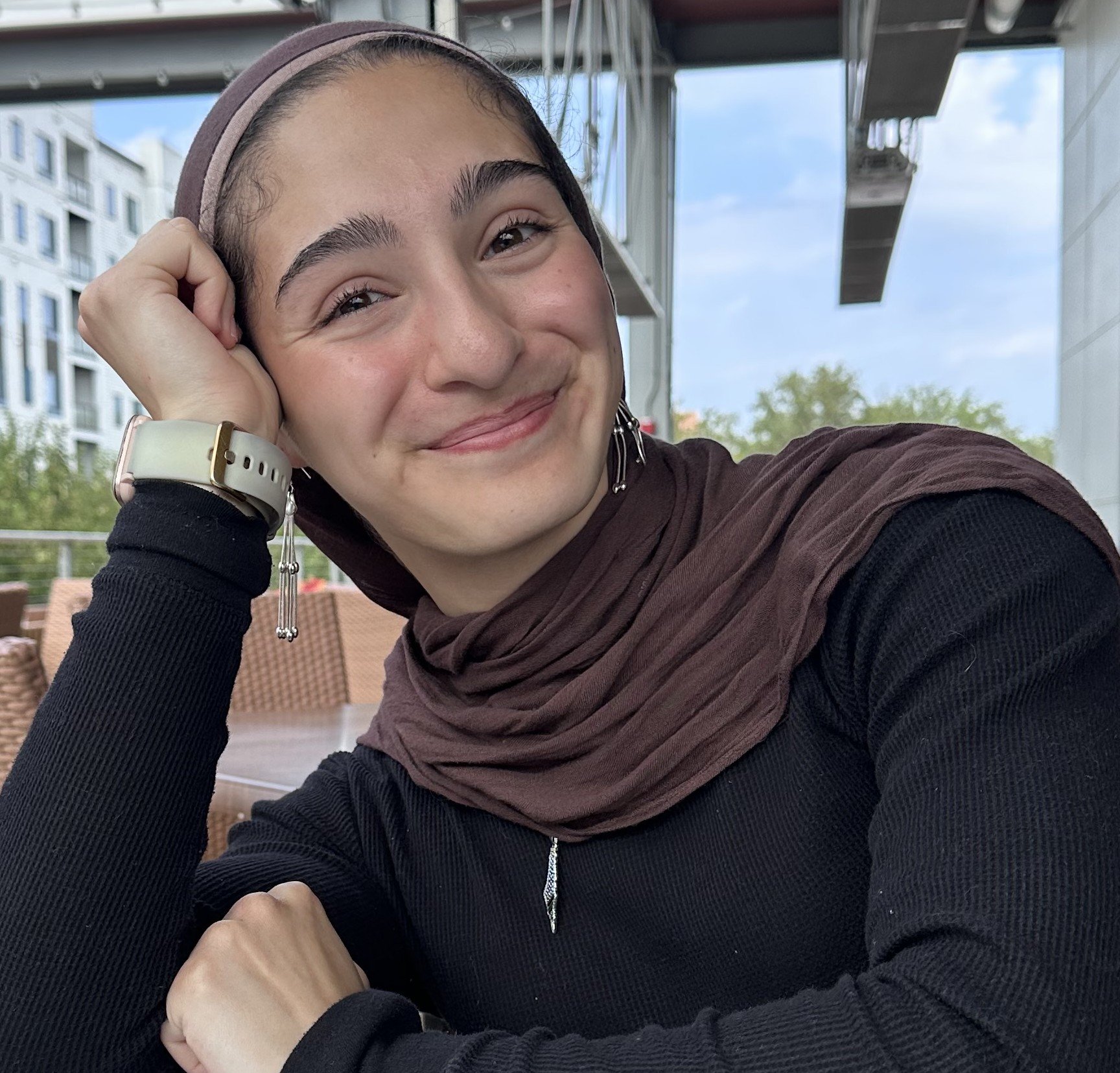
Jenna Merish is a fourth year Undergraduate Student Intern at the University of Maryland, College Park majoring in Psychology. Her research interests include risk and protective factors, trauma and resilience, positive self-talk, cognitive reappraisal, and social justice. In the future, she intends to become a Counseling Psychologist and create interventions that promote resilience for both minority and immigrant communities.