
Is Sabr Just Silence? Redefining Patience for Wellbeing
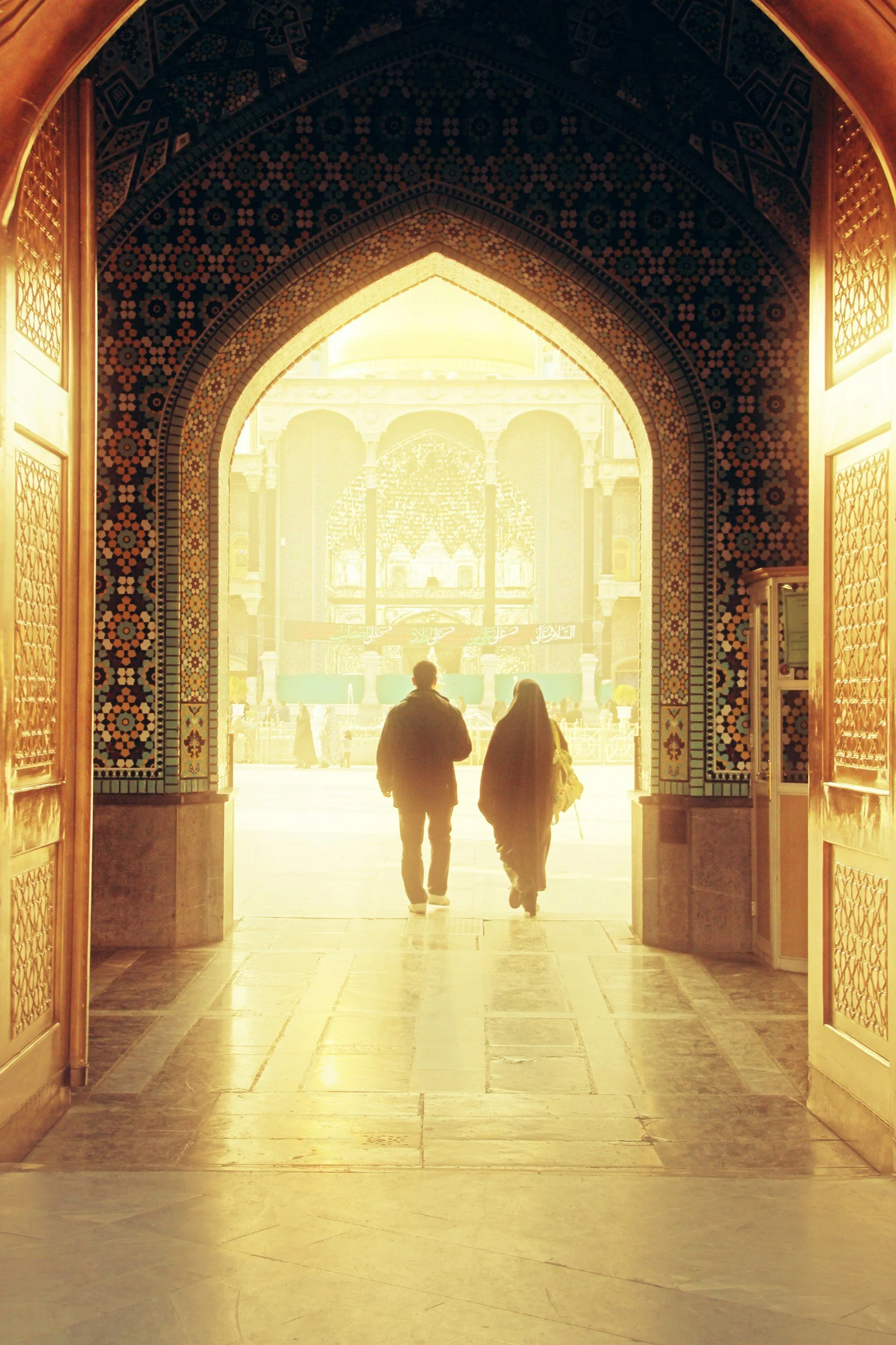
Sabr Is Not What You Think It Is
Sabr is often translated as “patience,” but that definition doesn’t fully capture what. What sabr truly is or looks like.
Patience in Islam is not passive suffering. It is actively making a choice for what's best for your dunya and akhirah.
Many people view patience as waiting quietly or pushing emotions aside. But sabr isn’t about pretending everything is okay or ignoring what you’re going through.
Allah (SWT) tells us, “O you who believe, seek help through sabr and prayer. Indeed, Allah is with the patient” (Qur’an 2:153).
Sabr is an active and intentional process. It’s about staying grounded during difficult moments, allowing yourself to feel what you feel, and choosing what will be best for you in the long run even if it’s hard rather than passively allowing life to happen to you.
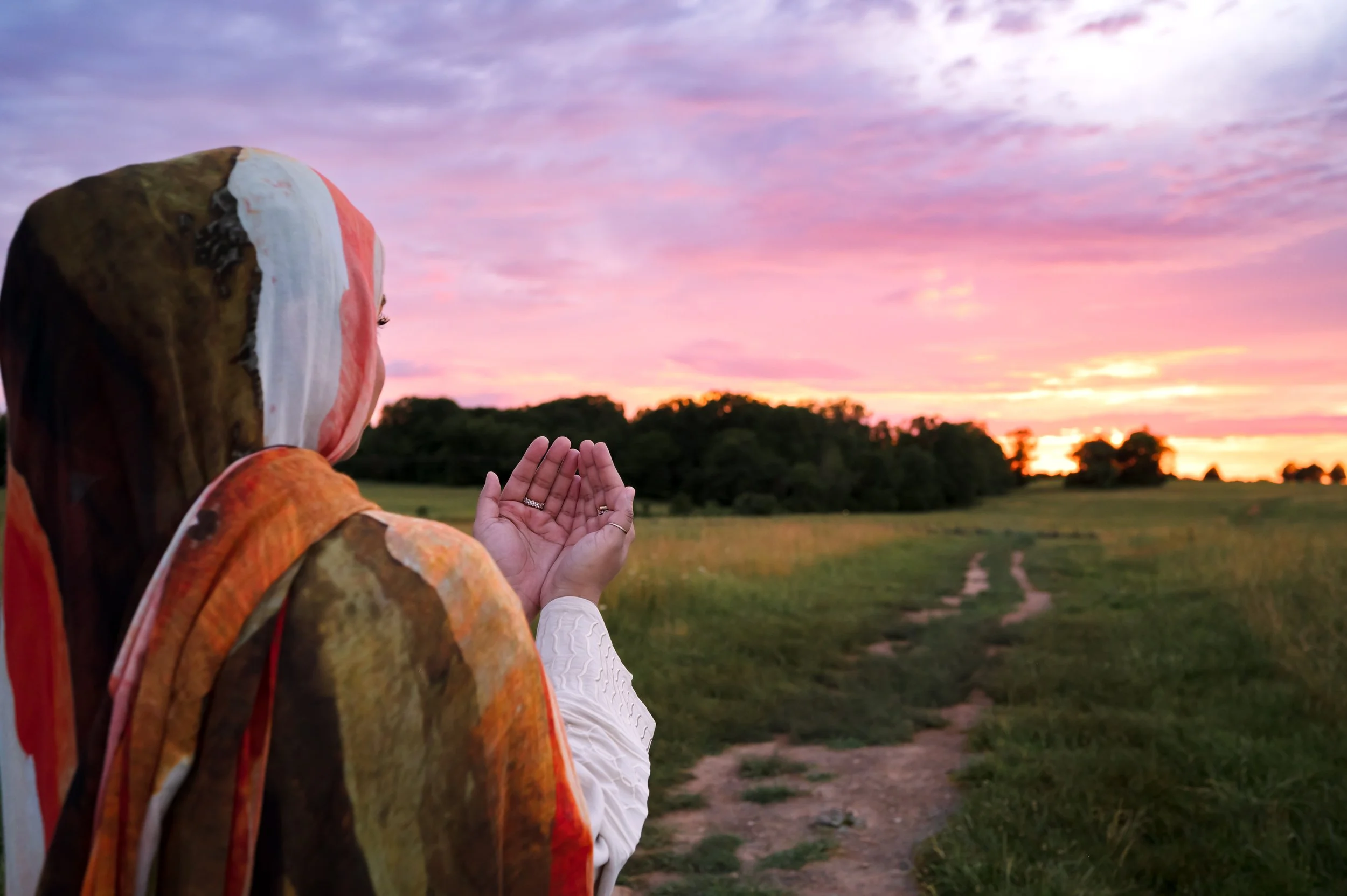
There are many misconceptions about what sabr looks like. There is an expectation that patience means:
staying quiet
not crying/showing emotion
not questioning the current situation
moving on quickly
However, this is not how Allah (SWT) describes sabr.
Through the lives of the Prophets, we learn that they did not suppress their emotions:
Prophet Yaqub (AS) cried until he went blind over the loss of his son and openly expressed his grief to Allah SWT.
Prophet Ayyub (AS) called out to Allah when harm touched him.
Even Prophet Muhammad ﷺ shed tears of grief in a year of sorrow after loss.
Their sabr was not emotional silence. So why do we hold ourselves to this unrealistic expectation? Over time, many of us have internalized assumptions about what sabr is supposed to look like. These beliefs can make hardship feel heavier and create pressure to hide pain that Allah never asked us to suppress.
Below are some of the most common misconceptions people have about sabr, and how both Islamic teachings and psychology offer a more compassionate and realistic understanding.

“If I Had Sabr, I Wouldn’t Feel This Much Pain.”
Many Muslims quietly believe that if their faith were stronger, they wouldn’t feel depressed, overwhelmed, anxious, or exhausted, but that is simply not true.
The Prophet ﷺ experienced grief so intense that the year he lost Khadijah (RA) and his uncle Abu Talib is known as the Year of Sorrow.
When his infant son Ibrahim (AS) passed away, he wept. He said, “The eyes shed tears, and the heart feels sorrow, but we do not say except that which pleases our Lord” (Sahih al-Bukhari & Muslim).
He cried. His heart hurt. And that did not contradict the sabr he showed.
What does that mean for us?
Grief is not a form of weakness. The Prophet ﷺ did not deny his pain, rush past it, or pretend it did not exist. He felt it fully and did not allow his pain to turn into resentment toward Allah (SWT) or hopelessness. He allowed himself to feel the pain while still holding on to trust in Allah.
Sabr is not the absence of emotion.
It is the discipline of the tongue and the heart, while the emotion exists.
You are allowed to feel.
You are allowed to grieve.
You are allowed to struggle.
From a psychological perspective, suppressing emotions does not make them disappear. When we push feelings down, they often show up in other ways, like anxiety, irritability, physical tension, or emotional numbness. Chronic emotional suppression and stress have also been linked to physical health effects, including inflammation, lowered immune functioning, and other stress-related health issues.
Research consistently shows that chronic emotional suppression increases stress and can negatively affect both mental and physical health. In fact, experimental research has found that individuals who suppress emotions experience significantly greater physiological stress responses, including increased heart rate and elevated stress hormone levels, compared to those who allow emotional expression.
Having faith is incompatible with emotional numbness. In fact, healthy emotional processing by naming what you feel, expressing it safely, and bringing it to Allah (SWT) through prayer and du’a helps with regulation. Allah (SWT) never asked us to not feel our emotions. He created all things, including our emotions, and He has given them to us for a reason, so we should not ignore them.
“Is sabr just about smiling through difficulty?”
Another misconception about sabr is the belief that if someone truly had patience and trust in Allah, they would not go through hardship. However, difficult experiences are opportunities for us to practice sabr. Allah tells us, “Do people think once they say, 'We believe,' that they will be left without being put to the test?” (Quran 29:2). Sabr is remaining grounded during hardship, rather than letting painful thoughts completely define your relationship with Allah.
When people go through hardship, their minds naturally try to explain why it is happening. During painful moments, those explanations can become harsh or self-blaming. Someone may begin thinking, “Allah must be displeased with me,” or “This hardship is happening because my faith is weak.”
In psychology, this reflects how we sometimes internalize negative thoughts and begin treating them as facts during emotional distress. These thoughts can feel very real in moments of pain, even when they are not necessarily true. Over time, this can create a misconception about sabr, creating the belief that having to practice patience through hardship is punishment or abandonment by Allah.
Islam offers a different perspective. The Prophet ﷺ taught us that hardship is not a sign of rejection from Allah. He said, “When Allah loves a people, He tests them,” and that the most severely tested people are the Prophets, then those most like them. Their lives challenge the misconception that sabr means never feeling emotional pain. Instead, they experienced immense grief, loss, and difficulty while still remaining close to Allah. Their lives show that sabr does not mean never feeling hurt about hardship. It means continuing to hold onto trust in Allah while experiencing that pain. The lives of the prophets challenge the idea that pain equals abandonment and show that sabr is not about enduring punishment but about remaining grounded in trust during difficulty.
One way to practice prophetic patience is through mindfulness and reflection. Mindfulness helps people notice their thoughts and emotions without immediately accepting them as facts. For example, feeling abandoned by Allah does not automatically mean you truly are abandoned. Practicing this kind of awareness can strengthen sabr by encouraging reflection, patience, and intentional responses rather than reacting from a sense of hopelessness or self-blame.
Islam also emphasizes this practice of reflection and inner awareness. The Prophet Muhammad ﷺ would often take time to step away from daily life and sit in reflection, a practice referred to as muraqabah (a state of self-awareness and mindful attentiveness). This reminds us that experiencing hardship, emotional pain, or negative thoughts is not automatically a sign of weak faith or a lack of sabr. Part of sabr is slowing down, reflecting honestly on your emotions, and not immediately accepting painful thoughts as truths. Through reflection and mindfulness, a person can begin to separate feelings of abandonment from the reality that Allah may still be guiding and supporting them through hardship.
Sabr does not mean never feeling hurt, overwhelmed, or emotionally affected by hardship. Sabr is the ability to experience hardship without allowing those painful thoughts to completely define your relationship with Allah.

“Sabr means staying in a situation no matter how harmful it becomes.”
Sabr is often misunderstood as simply enduring whatever happens without responding or making changes. Some people also assume that staying in a difficult situation without taking action will automatically bring more reward or hasanat, even when it is emotionally or psychologically harmful. In reality, patience does not mean ignoring harm or staying in situations that are damaging. Protecting your well-being can also be part of responding to hardship in a positive and Islamic way.
In counseling, we often talk about boundaries which are the limits we set to protect our emotional, mental, and physical health. Setting a boundary might mean distancing yourself from a harmful dynamic, asking for support, or making changes in an environment that is causing ongoing stress.
These actions are not a failure of patience. In many cases, they require tremendous sabr.
Staying in environments that constantly overwhelm you can take a serious toll on your well-being. Over time, chronic stress can contribute to anxiety, emotional exhaustion, and difficulty feeling calm or safe in your own environment.
Sabr is not meant to keep you in unsafe situations. It can look like pausing, reflecting, and choosing the response that protects both your faith and your well-being. Sometimes it requires endurance while other times, it is creating distance, asking for help, or making a difficult change. The test is how you continue to trust Allah through the difficult change.
“Sabr means suppressing emotions instead of expressing them.”
Many people were taught that having strong faith means minimizing their emotions. Allah doesn’t want us to suppress how we feel. Bringing our feelings to Allah through duʿāʾ, reflection, or prayer creates a place for the emotion to go instead of forcing you to carry it alone. This is also how we can show sabr.
There is a difference between complaining about Allah and complaining to Allah. Complaining about Allah is an objection — questioning His wisdom, fairness, or mercy in a way that comes from resentment. It can look like “Why would Allah do this to me?” or believing that what is happening is unjust.
Complaining to Allah, on the other hand, is an act of turning toward Him. It is expressing pain while still believing that He hears you, understands you, and is merciful. Our Prophets brought their suffering directly to Allah without losing trust in Him. This reflects tawakkul, in which sabr is not about knowing what will happen or having control over the outcome, but about continuing to trust Allah SWT as you navigate uncertainty. It is the act of doing your part, learning from what you are going through, and still relying on Allah’s wisdom and timing even when things feel unclear or difficult.
Bringing your pain to Allah builds connection with Him. This is sabr. It allows you to acknowledge what you feel while still turning toward Him, rather than shutting down or pulling away. It can sound like, “This hurts. I feel overwhelmed. I don’t know what to do.”
When you name what you feel — sadness, anger, fear, disappointment — you are helping your brain organize the experience. You are moving from chaos to clarity. This is part of how healing works.
When we don’t express our emotions in a healthy way, it can slowly create distance from faith, from others, and even from parts of ourselves. The heart can begin to feel hardened or alone in its suffering. Opening up about how you feel is not a sign of weakness. It’s a strength that helps regulate your emotions.

Sabr is how you hold yourself through what you can’t control.
Islam does not require you to silence your feelings.
It teaches you where to direct them.
Sabr is not about pretending you are unaffected.
It is about allowing the emotion to exist without letting it control your behavior or sever your trust in Allah.
You can cry and still have sabr.
You can feel anxious and still have sabr.
You can seek therapy and still have sabr.
You can set boundaries and still have sabr.
Sabr lives in how you carry the hardship — not in denying that it hurts.
It is not emotional numbness.
It is emotional steadiness.
It is bringing your full, honest heart to Allah (SWT) — even when that heart is heavy.
And that is not weak faith.
It is a stronger form of faith.
It means facing difficult emotions with sabr and allowing that to bring you closer to Allah and support your growth.
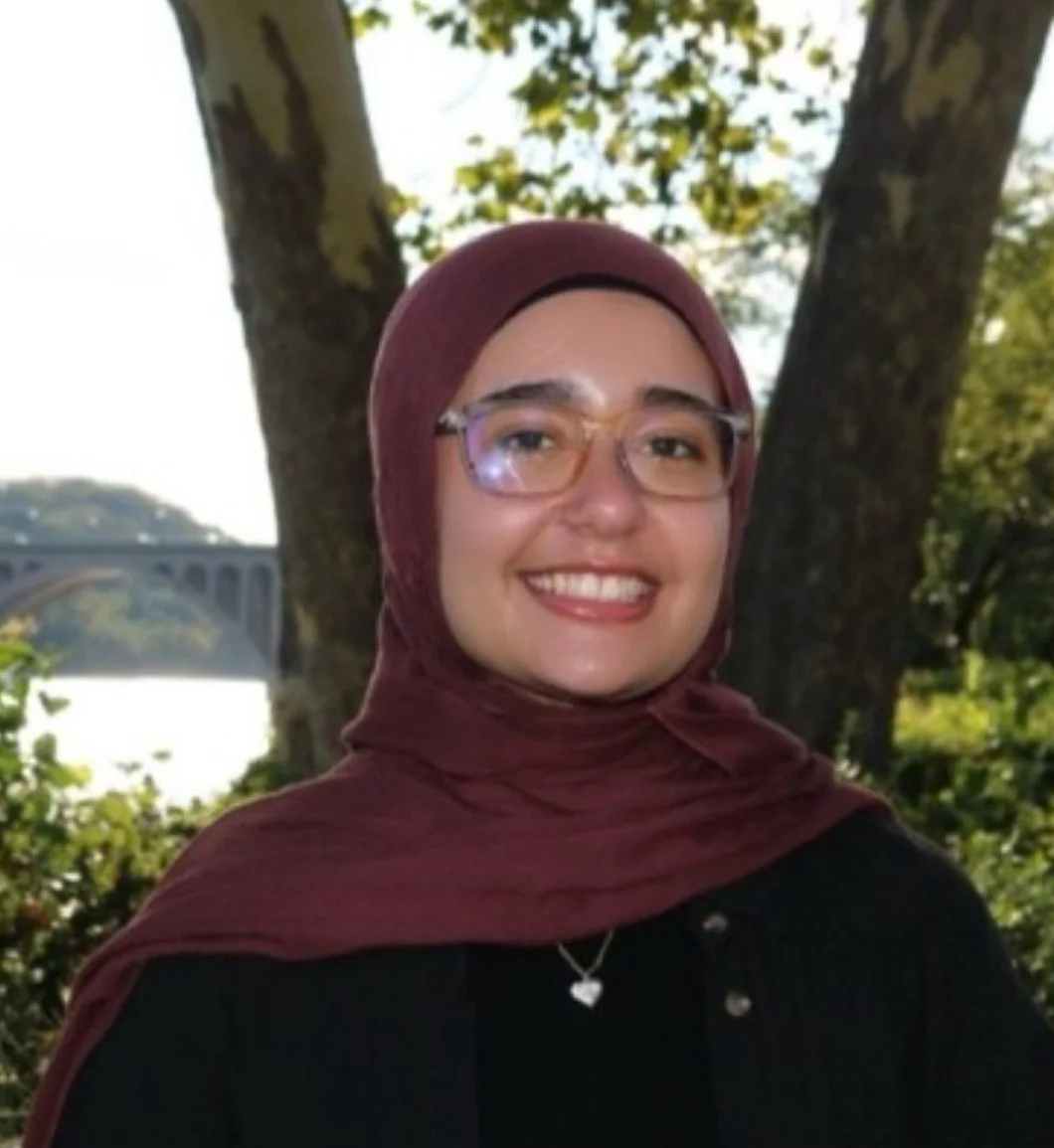
Hi! I’m Yasmin Aouchria, a third-year Psychology major with a minor in Human Development at the University of Maryland, College Park. I’m passionate about therapy, trauma recovery, and supporting marginalized communities. I hope to help create safe, inclusive spaces where people can heal and grow.