
How Is Emotional Intelligence Understood in Islam and Muslim Communities?
Emotional intelligence is not always something that is openly talked about in many Muslim communities. Emotions are often minimized or pushed aside, and people are sometimes encouraged to “just be patient” instead of really understanding what they are feeling. Because of this, conversations about mental health and emotional awareness can feel uncomfortable or even unnecessary. However, emotional intelligence is an important part of both personal well-being and community health, and it deserves more attention.
What Is Emotional Intelligence?
Emotional intelligence is the ability to recognize, understand, and manage your emotions, as well as respond to others' emotions. This includes being aware of how you feel, why you feel that way, and responding in a healthy way. It also involves empathy, or the ability to understand what others around you might be experiencing emotionally.
For example, instead of ignoring feelings of stress or frustration, emotional intelligence involves acknowledging them and finding a healthy way to cope. When you have strong emotional awareness, you may recognize when you are overwhelmed and choose to take a step back, talk to people you trust, or reflect on what is causing those feelings. This helps prevent emotions from building up over time or lashing out at others.
Emotional intelligence is not about always being regulated, never feeling negative emotions, or rushing to resolve the feeling. Rather, it is about allowing ourselves to feel and understand that emotions are a normal part of life.
Developing emotional intelligence can improve your relationships and communication by helping you pause before reacting, express yourself more clearly, and respond to others with greater understanding rather than frustration. Over time, this reduces misunderstandings and strengthens trust in both personal and professional relationships.

The Importance of Awareness
Being aware of your mental and emotional state is an essential part of personal growth. When you take the time to reflect on your feelings, you gain a better understanding of yourself and your needs. Awareness can help manage emotions when you learn to recognize early signs of stress, name what you are feeling, and choose healthier coping strategies, such as reflection, prayer, journaling, or speaking to someone you trust, rather than suppressing emotions until they build up.
Speaking openly about your emotions can reduce feelings of isolation. It helps normalize conversations that are often avoided, making it easier for you and those around you to share your experiences.

Emotional Intelligence from an Islamic Perspective
From an Islamic perspective, emotional intelligence is closely linked to core values. Islam emphasizes self-reflection, intention, and personal accountability. These ideas naturally encourage you to become more aware of your thoughts and feelings.
Practices in Islam, such as reflecting on your actions, being mindful of intentions, and striving for self-improvement, all require emotional awareness. In this way, emotional intelligence is not separate from faith but rather supports it. Being aware of your emotions can help you respond more thoughtfully in your daily interactions and strengthen your character. For example, controlling anger or responding calmly in a difficult situation requires both awareness and emotional regulation.
Islam also encourages compassion, both toward others and toward yourself. This includes understanding that struggling emotionally does not reflect a lack of faith; rather, experiencing a range of emotions is a natural part of being human and is acknowledged in Islamic teachings and the life of the Prophets.
For example, the Prophet Yaqub (AS) expressed deep sorrow when he lost his son Yusuf (AS), to the point where he said, “I only complain of my suffering and my grief to Allah” (Qur’an 12:86). This shows that emotional pain is not denied or hidden, but acknowledged and directed to Allah with patience and trust.

Mental Health and Emotional Awareness in Muslim Communities
In many Muslim communities, mental health is still not treated as a priority.
There can be an expectation to appear strong or to rely only on faith when facing challenges, without addressing emotional struggles directly. Or, unfortunately, the assumption that struggling means one lacks faith.
While faith can be a source of comfort and support, it does not replace the need for emotional awareness and care.
Islam places strong emphasis on self-awareness, intention, and emotional control. But the way these ideas are put into practice in everyday life is often influenced by additional factors, like culture, that can limit understanding of emotional intelligence.
One important influence is how emotional struggles are understood and explained. Research shows that in many Muslim communities, in most cases, distress is interpreted as stemming from spiritual or external causes rather than recognized as a psychological experience. For example, if you are experiencing anxiety, you might be told it is a test, or someone dealing with ongoing sadness may be encouraged to increase prayer without being asked what they are feeling internally. While these responses can be well-intentioned and spiritually meaningful, they can unintentionally shift the focus away from the person’s emotional experience. When this happens, you may not learn how to identify what you are actually feeling, such as fear, overwhelm, or burnout. Over time, this can make it harder to build emotional awareness because the focus remains on managing the situation rather than understanding the emotion. Thus making it difficult to reflect on and implement changes to your lifestyle, environment, or mindset.

Creating Change Within the Community
Change requires starting within ourselves and consistent and intentional actions within families and community settings.
In families, this often begins with how emotions are responded to in everyday situations by creating safe spaces for these vulnerable conversations. Setting aside time for regular check-ins, even through simple conversations, allows children and young adults to express how they feel without fear of being dismissed. When people share something personal, the response matters. Taking the time to listen, asking follow-up questions, and acknowledging their emotions rather than minimizing them show that their feelings are valid. This builds trust and teaches that emotions are to be understood rather than ignored.
The way conflict is handled at home also shapes emotional awareness. When disagreements are approached with patience and curiosity instead of silence or anger, it models healthy emotional regulation. This gives you a clearer example of how to express frustration, disappointment, or stress without harming relationships. These early experiences influence how comfortable you feel speaking about your mental health later in life and whether they believe their emotions are worth paying attention to.
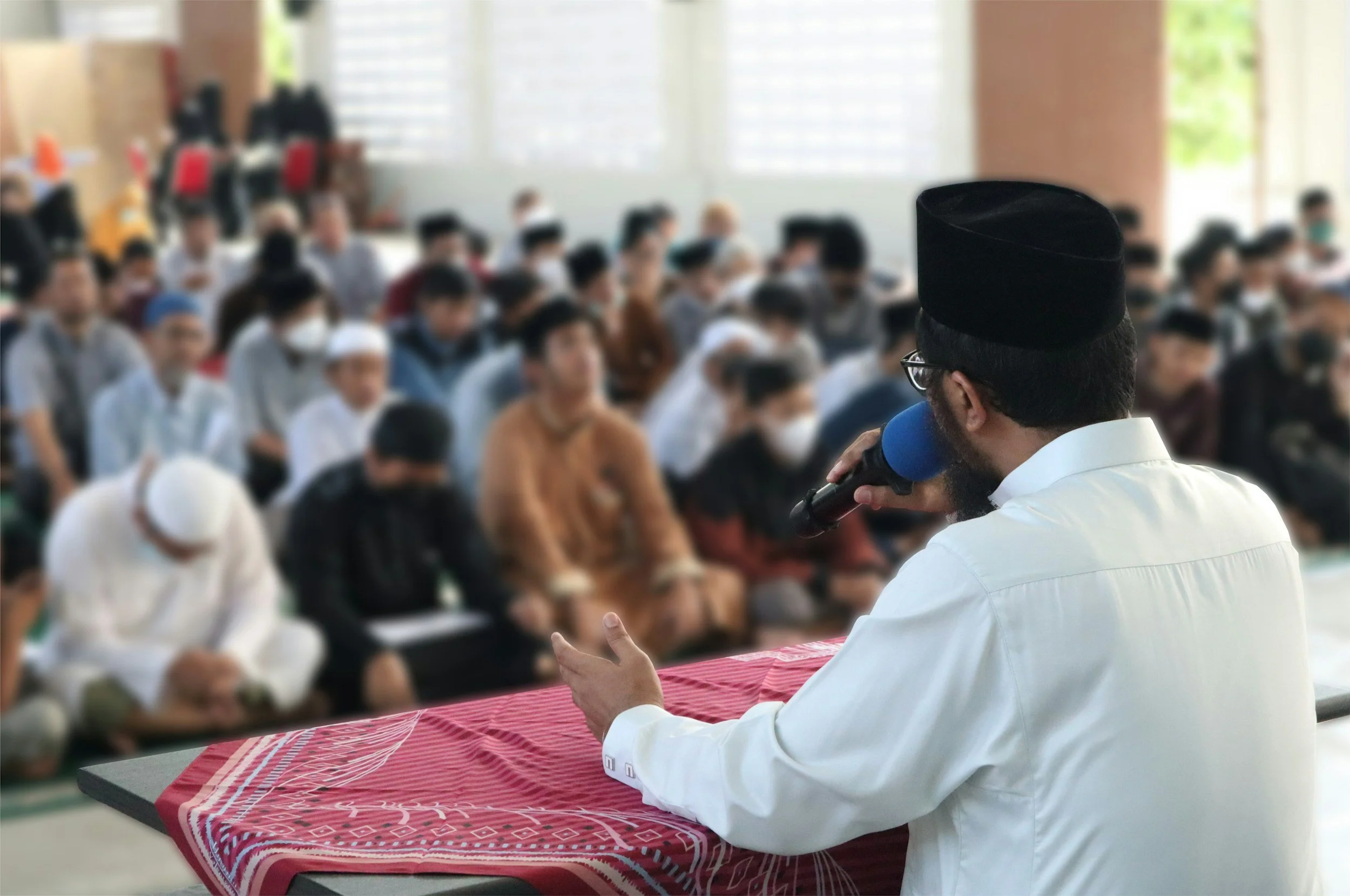
Beyond the home, community, and religious spaces can reinforce these messages. When community leaders acknowledge emotional struggles during lectures or discussions, it helps us feel that these experiences are recognized and taken seriously. For example, utilizing the lessons from our prophets to highlight how to deal with these emotions in a healthy way and normalize struggle. Including reminders that seeking help is allowed and encouraged in Islam can challenge the idea that emotional difficulties should be kept private.
Community events, religious groups, or informal discussions can also offer opportunities to talk about stress, identity, and personal challenges. These efforts matter because they shape what is considered normal within a community. When your emotions are met with understanding instead of discomfort or dismissal, you are more likely to recognize your own needs and feel comfortable reaching out. Compassion towards emotional expression can make support systems, counseling, or therapy feel more accessible rather than intimidating.
Over time, small changes in how you and those around you respond to emotions can lead to a broader shift in how mental health is understood and supported. Making efforts within yourself and your community is essential in creating impactful, long-lasting change.
References
Tanhan A, Young JS. Muslims and Mental Health Services: A Concept Map and a Theoretical Framework. J Relig Health. 2022 Feb;61(1):23-63. doi: 10.1007/s10943-021-01324-4. Epub 2021 Jul 9. PMID: 34241742; PMCID: PMC8267770.

Hi! I’m Yasmin Aouchria, a third-year Psychology major with a minor in Human Development at the University of Maryland, College Park. I’m passionate about therapy, trauma recovery, and supporting marginalized communities. I hope to help create safe, inclusive spaces where people can heal and grow.
Want to learn more about Islamic-based therapy and how it can help you develop your emotional intelligence?